Understanding Dundee's Historic Bungalow Architecture
The Dundee neighborhood in Omaha is known for its charming early 20th-century bungalows, many built between 1910 and 1930. These homes have distinct architectural features that make them both beautiful and challenging to insulate effectively. One of the most significant structural characteristic of these older homes is balloon framing, a construction method common during that era that creates unique challenges for modern insulation projects.
Balloon framing differs dramatically from the platform framing used in homes built after the 1940s. In balloon framing, the wall studs run continuously from the foundation to the roof line, creating open cavities that run the full height of the house. This design was economical at the time but creates a serious problem for homeowners today: it allows heat, cold, and air to move freely up and down inside the walls, making traditional insulation methods far less effective. Additionally, many Dundee bungalows were built before modern building codes and often lack proper insulation altogether, contributing to high energy bills and uncomfortable temperature swings throughout the home.
Is Spray Foam Insulation Worth It for Balloon Framing?
When it comes to addressing the insulation problems created by balloon framing, homeowners often ask: is spray foam insulation worth it? The answer for Dundee bungalows is a qualified yes, particularly when dealing with the unique structural challenges these homes present. Closed Cell Spray Foam Insulation is especially effective for balloon framed walls because it expands to fill every cavity, crack, and void, creating an air-tight seal that stops thermal bridging and air leakage. Unlike traditional fiberglass batts or blown-in cellulose, spray foam doesn't settle or compress over time, maintaining its R-value and performance for decades.
The energy savings alone often justify the investment. Homeowners in Omaha with poorly insulated balloon framed homes typically see heating and cooling costs that are 20 to 40 percent higher than necessary. By sealing the wall cavities with spray foam, you eliminate the constant air movement that wastes conditioned air. Beyond energy efficiency, spray foam also provides structural reinforcement to walls and improves sound dampening, making your home quieter and more comfortable. For a historic bungalow where you want to preserve the interior aesthetic while dramatically improving performance, spray foam is often the most practical solution available.
Spray Foam Insulation Safety and Off Gassing Concerns
Understandably, many homeowners have concerns about is spray foam insulation safe, particularly regarding off gassing and indoor air quality. It's important to separate fact from myth here. Professional spray foam installation, when done correctly by trained technicians, is safe for occupants. The key is understanding what happens during and after installation. During the application process, the chemical components do create fumes, which is why professional installers wear protective equipment and ensure proper ventilation during the work. However, once the foam cures, which typically takes 24 to 48 hours, the off gassing process is essentially complete.
The confusion about spray foam off gassing often stems from improper installation or low-quality products. When spray foam is applied by inexperienced contractors or when products don't meet EPA standards, residual fumes can linger longer and cause headaches, respiratory irritation, or other symptoms. This is why choosing a reputable, experienced installer matters significantly. At Omaha Spray Foam Insulation, we use only high-quality, low-VOC (volatile organic compound) formulations and follow strict application protocols to minimize off gassing. After installation, we recommend airing out your home for a few days as a precaution. If you have specific health concerns or chemical sensitivities, discuss them with your installer before work begins so they can recommend the safest approach for your situation.
Spray Foam Insulation Pros and Cons for Your Dundee Home
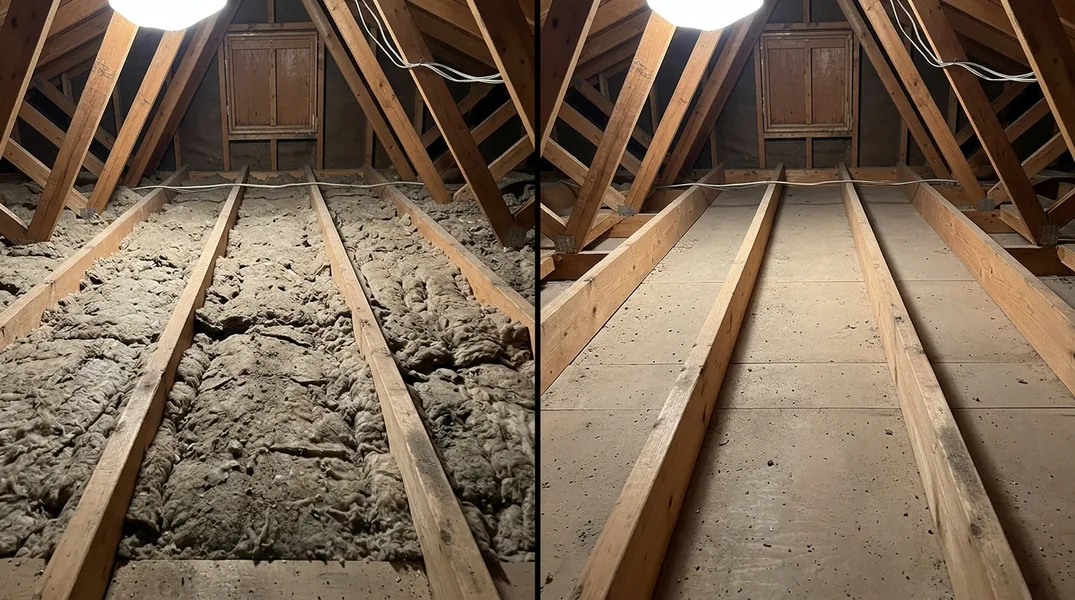
Like any insulation method, spray foam has distinct advantages and disadvantages worth understanding before committing to a project. The primary pros are substantial: superior air sealing, high R-value per inch, long-term durability, moisture resistance, and the ability to reach areas that traditional insulation cannot. For homes with balloon framing, complex geometries, or existing air leakage problems, these benefits are transformative. Spray foam also prevents pest infiltration better than other methods and won't settle or shift over time, maintaining performance for 30+ years. Additionally, Attic Spray Foam Insulation provides exceptional performance in attics where traditional insulation often leaves gaps around obstacles and penetrations.
The cons are worth acknowledging as well. Spray foam has a higher upfront cost compared to fiberglass or cellulose insulation. Once applied, it's permanent and cannot be easily removed or relocated if you need to access wall cavities for electrical work or plumbing repairs in the future. Some people have concerns about environmental impact, though modern formulations are increasingly eco-friendly. There's also the spray foam off gassing issue we discussed earlier, which requires using qualified installers. If your home has existing moisture problems or structural issues, these must be addressed before spray foam installation, as the foam can trap moisture if not applied correctly. For most Dundee homeowners, however, the long-term energy savings and comfort improvements far outweigh these considerations.
Addressing Full Basements and Below-Grade Insulation
Many Dundee bungalows feature full basements, which present their own insulation challenges distinct from the upper floors. Basements are vulnerable to moisture infiltration, temperature fluctuations, and energy loss through foundation walls and rim joists. Traditional insulation methods struggle in these environments because they absorb moisture and lose effectiveness when damp. This is where Closed Cell Spray Foam Insulation excels. Its closed cell structure provides inherent moisture resistance, making it ideal for basement rim joists, foundation walls, and crawl spaces where moisture is a concern.
The rim joist, where the house frame meets the foundation, is particularly critical. This area is often overlooked but represents a significant source of heat loss and air infiltration in older homes. Spray foam creates a continuous thermal and air barrier around the entire rim joist, eliminating the drafts and cold spots that plague many basement spaces. If you plan to finish your basement or simply want to prevent it from becoming a cold, damp zone, professional insulation is essential. Many homeowners also use spray foam to insulate basement walls before finishing them, creating a more comfortable and energy-efficient living space. The investment in proper basement insulation often pays for itself through reduced heating costs and improved comfort throughout the entire home.
Getting Professional Spray Foam Installation Near Me
If you own a Dundee bungalow and are considering spray foam insulation, the most important step is working with experienced, certified professionals. Proper installation requires specialized equipment, training, and knowledge of local building codes. A qualified contractor will assess your home's specific conditions, identify problem areas like balloon framing or moisture issues, and recommend the right type of foam and application method for your needs.
Omaha Spray Foam Insulation serves the entire Omaha area and specializes in historic homes and challenging insulation projects. We understand the unique characteristics of Dundee bungalows and can design solutions that address balloon framing, full basements, and energy efficiency concerns. Whether you need Open Cell Spray Foam Insulation for interior walls or closed cell foam for basements and crawl spaces, our team has the expertise to do the job right. We're happy to discuss your concerns about spray foam off gassing, answer questions about safety, and explain the pros and cons specific to your home. Contact us at (402) 807-2989 or request a free estimate to learn more about how spray foam can transform your home's comfort and efficiency.
Looking for a professional spray foam insulation contractor in Omaha? Omaha Spray Foam Insulation responds fast for all your spray foam insulation needs.
Get a Free Quote